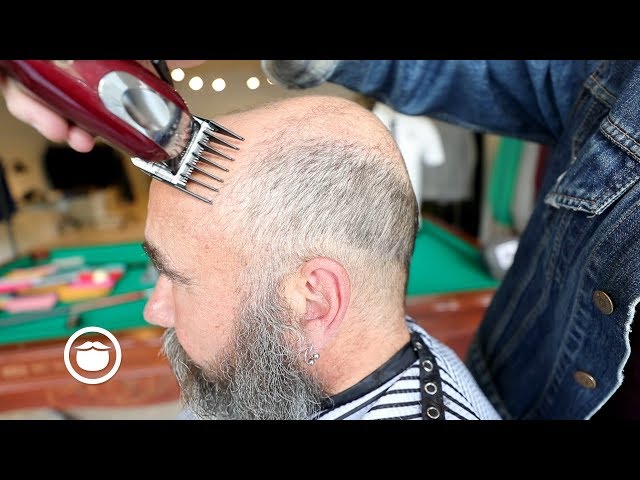
Bald hair styles, where the hair on the head is absent or closely shorn, have been adopted globally for various reasons. An example of a bald hair style is the buzz cut, where the hair is shaved evenly to a short length.
Bald hair styles may be chosen for practical reasons, such as ease of maintenance, or for aesthetic and cultural purposes. They have been associated with military personnel, athletes, and fashion icons, and have been historically embraced in religious and spiritual contexts.
This article will explore the different types of bald hair styles, their historical evolution, and the factors that influence their popularity and acceptance in various cultures.
Bald Hair Styles
Bald hair styles, characterized by the absence or close shaving of hair on the head, offer unique aesthetic, practical, and cultural expressions. Key aspects to consider include:
- Aesthetics
- Convenience
- Cultural significance
- Historical evolution
- Maintenance
- Versatility
These aspects shape the perception, adoption, and evolution of bald hair styles across different cultures and time periods. From the shaved heads of ancient warriors to the modern buzz cuts of athletes and fashion icons, bald hair styles continue to hold cultural, practical, and aesthetic relevance.
Aesthetics
Within the realm of bald hair styles, aesthetics play a significant role in shaping their appeal and acceptance. Bald hair styles offer unique aesthetic possibilities, ranging from the bold and striking to the sleek and sophisticated.
-
Simplicity and Minimalism
Bald hair styles epitomize simplicity and minimalism, exuding a clean and understated elegance. Their absence of hair eliminates distractions, drawing attention to facial features and overall style.
-
Versatility and Adaptability
Bald hair styles offer versatility and adaptability, complementing various facial shapes and personal styles. They can be paired with different clothing, accessories, and makeup to create a wide range of looks, from professional to casual.
-
Cultural and Symbolic Meaning
Bald hair styles have cultural and symbolic meanings in different societies. In some cultures, they represent strength, courage, and virility, while in others, they may hold religious or spiritual significance.
-
Fashion and Trendsetting
Bald hair styles have also become a part of fashion and trendsetting, particularly in recent decades. They have been embraced by celebrities, fashion icons, and everyday individuals, making them a stylish and contemporary choice.
The aesthetic appeal of bald hair styles lies in their ability to convey a range of expressions, from confidence and boldness to sophistication and minimalism. Whether for personal style, cultural significance, or fashion trends, bald hair styles continue to captivate and inspire.
Convenience
Bald hair styles offer unparalleled convenience, making them a practical choice for individuals with busy lifestyles or those seeking low-maintenance grooming routines. The absence of hair eliminates the need for extensive styling, washing, and blow-drying, saving time and effort.
Furthermore, bald hair styles are less susceptible to dirt and oil buildup, requiring less frequent washing and reducing the need for hair care products. This convenience is particularly beneficial for individuals engaged in physical activities, such as athletes or those working in demanding environments.
The convenience of bald hair styles also extends to their versatility. They can be easily adapted to different settings, from professional workplaces to casual social gatherings. By eliminating the need for intricate hairstyles or styling gels, bald hair styles offer a hassle-free and adaptable grooming solution.
In summary, convenience is a critical component of bald hair styles. It provides practical benefits for individuals seeking low-maintenance grooming routines, saving time and effort. The versatility and adaptability of bald hair styles further enhance their convenience, making them a suitable choice for a wide range of lifestyles and settings.
Cultural significance
Bald hair styles hold profound cultural significance in various societies across the globe, often deeply intertwined with religious beliefs, traditions, and social norms. The absence of hair on the head can carry symbolic meanings, influencing perceptions of identity, status, and spirituality.
In ancient Egypt, priests and priestesses shaved their heads as a sign of purity and devotion to their gods. Similarly, in some Buddhist traditions, monks and nuns shave their heads to symbolize renunciation of worldly attachments and the pursuit of enlightenment. In certain African cultures, bald hair styles have been associated with strength, courage, and virility, often adopted by warriors and leaders.
Cultural significance of bald hair styles extends beyond religious and spiritual contexts. In some societies, baldness has been a mark of social status and distinction. For instance, in the Roman Empire, wealthy and influential men often shaved their heads, and in medieval Europe, tonsured hairstyles were reserved for members of the clergy.
Understanding the cultural significance of bald hair styles is crucial for appreciating their diverse meanings and implications. It enables us to recognize the role they play in shaping cultural identity, social norms, and personal expression.
Historical evolution
The historical evolution of bald hair styles provides valuable insights into their cultural and social significance. Over time, bald hair styles have been closely intertwined with religious beliefs, social norms, fashion trends, and personal preferences, shaping their evolution and acceptance across different cultures.
One of the earliest examples of bald hair styles can be traced back to ancient Egypt, where priests and priestesses shaved their heads as a symbol of purity and devotion to their gods. In ancient Greece, baldness was often associated with philosophers and intellectuals, and the shaved head became a symbol of wisdom and knowledge. During the Roman Empire, wealthy and influential men frequently shaved their heads, and in medieval Europe, tonsured hairstyles were reserved for members of the clergy.
In more recent history, bald hair styles have been adopted for various reasons. During World War I, soldiers shaved their heads for hygiene and practicality. In the 1920s, women began embracing bobbed and shaved hairstyles as a symbol of liberation and modernity. In the 1960s, the shaved head became associated with counterculture and rebellion, and in the 1990s, it was popularized by celebrities and fashion icons.
Today, bald hair styles continue to evolve, influenced by cultural trends, personal preferences, and the fashion industry. They offer a range of aesthetic, practical, and symbolic meanings, and their historical evolution sheds light on their diverse significance and cultural impact.
Maintenance
Maintenance plays a crucial role in the upkeep and presentation of bald hair styles. Unlike traditional hairstyles that require extensive styling and product application, bald hair styles necessitate a different approach to maintenance, focusing on scalp care, hygiene, and aesthetics.
-
Scalp Care
Regular scalp cleaning and moisturizing are essential to maintain a healthy scalp and prevent dryness or irritation. Using gentle cleansers and moisturizers designed for bald scalps helps keep the skin balanced and hydrated.
-
Sun Protection
Bald scalps are more exposed to the sun's harmful UV rays, increasing the risk of sunburn and skin damage. Wearing hats or applying sunscreen with SPF to the scalp provides protection and prevents premature aging.
-
Hygiene
Maintaining proper hygiene is crucial for bald hair styles. Regular washing with a mild cleanser removes sweat, dirt, and dead skin cells, keeping the scalp clean and healthy.
-
Styling Options
While bald hair styles generally require minimal styling, there are still options for adding variety or addressing specific concerns. Using hair fibers, temporary hair color, or head coverings can provide temporary changes or address issues like thinning or uneven hair growth.
By understanding the unique maintenance needs of bald hair styles and incorporating these practices into a regular routine, individuals can maintain a healthy, well-groomed, and stylish appearance.
Versatility
Versatility is a defining characteristic of bald hair styles, contributing significantly to their enduring popularity and appeal. The absence of hair on the head provides a blank canvas for self-expression, allowing individuals to adapt their look to suit various occasions, personal styles, and cultural contexts.
One of the key aspects of versatility in bald hair styles is their adaptability to different facial shapes and features. Unlike traditional hairstyles that may require specific hair lengths or textures to complement certain face shapes, bald hair styles work well with virtually all facial structures. This versatility makes them a suitable choice for individuals with different head shapes and facial features, enhancing their overall appearance.
Furthermore, bald hair styles offer a wide range of styling options, from clean-shaven to closely cropped, allowing for personalization and creativity. Whether paired with a beard, mustache, or other facial hair styles, bald hair styles provide a versatile base that complements various looks and preferences. This versatility empowers individuals to tailor their appearance to suit their unique style and personality.
In conclusion, versatility is an intrinsic component of bald hair styles, offering numerous benefits and practical applications. From adaptability to different facial shapes to a wide range of styling options, bald hair styles provide individuals with the freedom to express themselves and create a personalized look that suits their lifestyle and preferences.
Frequently Asked Questions About Bald Hair Styles
This section addresses common questions and clarifications regarding bald hair styles, providing valuable insights for readers seeking information or considering adopting this style.
Question 1: What are the benefits of having a bald hair style?
Answer: Bald hair styles offer numerous benefits, including ease of maintenance, reduced grooming time, versatility in styling, and potential health benefits such as improved scalp hygiene and reduced risk of hair loss.
Question 2: Is it difficult to maintain a bald hair style?
Answer: Contrary to popular belief, bald hair styles require minimal maintenance. Regular scalp cleaning, moisturizing, and sun protection are crucial, but the absence of hair eliminates the need for extensive styling or product application.
Question 3: Are bald hair styles suitable for all face shapes?
Answer: Bald hair styles complement a wide range of face shapes. The absence of hair allows facial features to become the focal point, enhancing the overall appearance and highlighting unique characteristics.
Question 4: What are the cultural implications of bald hair styles?
Answer: Bald hair styles hold cultural significance in various societies. In some cultures, they represent strength, courage, and virility, while in others, they may symbolize spirituality or social status.
Question 5: How can I transition to a bald hair style?
Answer: Transitioning to a bald hair style can be gradual. Start by shortening the hair gradually over time, allowing yourself to adjust to the new look and minimize any apprehension.
Question 6: Are there any health concerns associated with bald hair styles?
Answer: Bald hair styles generally do not pose significant health concerns. However, it's important to protect the scalp from sun exposure by wearing hats or applying sunscreen to prevent sunburn or premature aging.
These FAQs provide a comprehensive overview of common questions and considerations related to bald hair styles. Understanding these aspects can help individuals make informed decisions about adopting and maintaining this versatile and practical style.
In the next section, we will delve deeper into the styling options and variations associated with bald hair styles, exploring the creative possibilities and personal expression they offer.
Tips for Styling and Maintaining Bald Hair Styles
This section offers practical tips and advice for styling and maintaining bald hair styles, helping you achieve a polished and confident look.
Tip 1: Choose the Right Shave Method
Selecting the appropriate shaving method is crucial for a smooth and irritation-free shave. Consider using a safety razor, electric shaver, or straight razor based on your skin type and hair growth.
Tip 2: Exfoliate Regularly
Exfoliating the scalp helps remove dead skin cells and prevent ingrown hairs. Use a gentle scrub specifically designed for the scalp, avoiding harsh products that may irritate.
Tip 3: Moisturize and Protect
Moisturizing the scalp is essential to prevent dryness and flaking. Apply a fragrance-free moisturizer daily and use sunscreen to protect your scalp from sun damage.
Tip 4: Consider Head Coverings
Head coverings, such as hats or scarves, can be stylish accessories while also protecting your scalp from the elements. Choose breathable fabrics like cotton or linen for comfort.
Tip 5: Experiment with Facial Hair
A beard, mustache, or other facial hair styles can complement a bald head and enhance your overall appearance. Experiment with different styles to find what suits you best.
Tip 6: Embrace Accessories
Accessories like earrings, glasses, or scarves can add personality and style to your bald hair look. Choose pieces that complement your facial features and personal style.
Summary: By following these tips, you can maintain a healthy, stylish, and confident bald hair style. Regular maintenance, sun protection, and accessories can enhance your look and ensure you feel comfortable and put-together.
In the concluding section, we will explore the confidence and self-expression that bald hair styles can bring, highlighting the transformative power of embracing this unique and versatile style.
Conclusion
Bald hair styles offer a unique and versatile approach to personal expression and style. Throughout this article, we have explored the various aspects of bald hair styles, including their historical evolution, cultural significance, and practical benefits.
Key insights from this exploration include the adaptability of bald hair styles to different facial shapes and personal preferences, the minimal maintenance they require compared to traditional hairstyles, and the cultural meanings and symbolism associated with them in different societies.
Embracing a bald hair style can be a transformative experience, enhancing confidence and self-expression. Whether for practical reasons, cultural identification, or personal style, bald hair styles continue to gain popularity and acceptance.


No comments:
Post a Comment